
What is Media Buying?
Ever heard of the term “media buying” and just kinda scratch your head?
To put it simply, media buying is just paying to get your business’s message (your ads) in front of the right people, in the right places, at the right time.
Think of it like this: instead of just setting up a stall on any random street corner and hoping customers find you, media buying is like paying for a prime spot right inside the big popular market where you know your ideal customers hang out.
You’re paying for targeted visibility online – getting your ads seen on Facebook, Instagram, Google search results, YouTube, or any other paid media channel.
And the beauty is, you get to choose that ‘prime spot’ online. You’re not just throwing money randomly; you’re telling platforms exactly who you want to reach. Plus, it’s not just for the big guys with massive budgets – you can start small and control exactly how much you spend.
Okay, But How is it Really Different From My Free Posts?
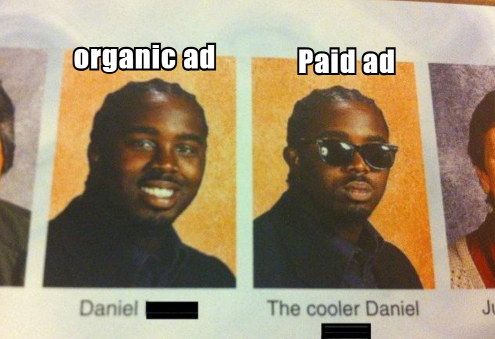
You might be thinking, “Okay Albert, I get the market stall analogy, but I post on my business’s Instagram/Facebook page already. What actually changes when I pay?”
It boils down to TIME and INTENT.
Think about it like this:
Organic (Free) Posts: You’re setting up your apple stand. Some people walking by might see it, maybe even buy an apple if they happen to be hungry. You can make sales, absolutely, but you’re relying on chance encounters and whoever happens to wander past your specific corner of the internet that day.
Paid Ads (Media Buying): You’re still selling apples, but now you’ve paid to set up your stand right outside the gym exit at 6 PM, or you’re specifically showing ads for your apples to people who have been searching online for “healthy snacks near me.”
See the difference?
The hard truth, especially on platforms like Facebook and Instagram, is that the days of massive free reach for business pages are mostly gone. Media buying lets you cut through that noise and guarantee your message gets seen by the specific people you choose.
So, Why Bother Paying? Speed & Precision.
Paid ads give you two massive advantages, especially when you’re starting or want to grow faster:
Speed: Want to test a new product idea? Announce a flash sale? See if people in the next town over are interested? Paid ads get your message out immediately to the audience you define.
Precision (Targeting Intent): This goes back to the ‘starving crowd’. You can laser-focus on the people most likely to be interested in buying your product.
What’s the Real Goal Here? (Hint: It’s Not Likes)
Let’s be real. People don’t pay for ads just for fun or vanity metrics like ‘likes’ or ‘followers’. Likes don’t pay the bills. Satisfaction is nice, but profit is the goal.
The primary goal of media buying for your business should almost always be driving Conversions.
What’s a conversion? It’s someone taking the specific action you want them to take that leads closer to a sale or valuable business outcome. This could be:
Making a purchase on your website.
Filling out a contact form for a quote.
Signing up for your email newsletter.
Calling your business.
Think about it this way: If you could give Facebook 1 euro, and they could consistently bring you back 2 euros in sales from a customer who saw your ad, you’d do that all day long, right?
That’s the potential of media buying when it’s working well. Your job, and what I want to help you learn, is how to set things up to try and make that happen – turning ad spend into profitable results.
The Elephant in the Room: Can I Really Start Small?
Okay, the money question. You heard me say you don’t need massive budgets. Maybe you’re thinking, “Can I actually start with something small, like $200?”
The short answer is: YES. Absolutely.
Starting small, especially when you’re a small business, is hard. I get it. Every dollar counts. You have to take calculated risks. But here’s the crucial mindset shift for that first small budget:
Your First $200 Isn’t About Getting Rich Quick: Don’t expect that initial $200 to suddenly flood your business with massive profits. It might happen, but it’s unlikely.
Think of it as Tuition: That first small budget is your investment in learning. It’s for gathering data. What messages resonate? Which images get clicks? Who seems interested? What does it actually cost to get someone to your website? This initial data is GOLD.
Experience vs. Budget: Does having media buying experience help? Of course. Does having a bigger budget give you more room to test? Sure. But everyone starts somewhere. Lack of experience shouldn’t paralyze you. The key is to start smart with what you have, focus intensely on learning from that first small investment, and then build or adjust based on real results.
We’ll dive much deeper into the specific numbers, metrics, and what to aim for later on. For now, just know that starting small is possible and necessary – just manage your expectations about what that first spend is designed to achieve (Learning!).
Wrapping Up Part 1: What Was That Again?
So, what’s the main takeaway here?
Media buying isn’t some scary monster. It’s simply paying to strategically show your ads to the right people online.
Hopefully, that clears things up a bit! Feeling a little less intimidated? Good.
Leave a Reply